
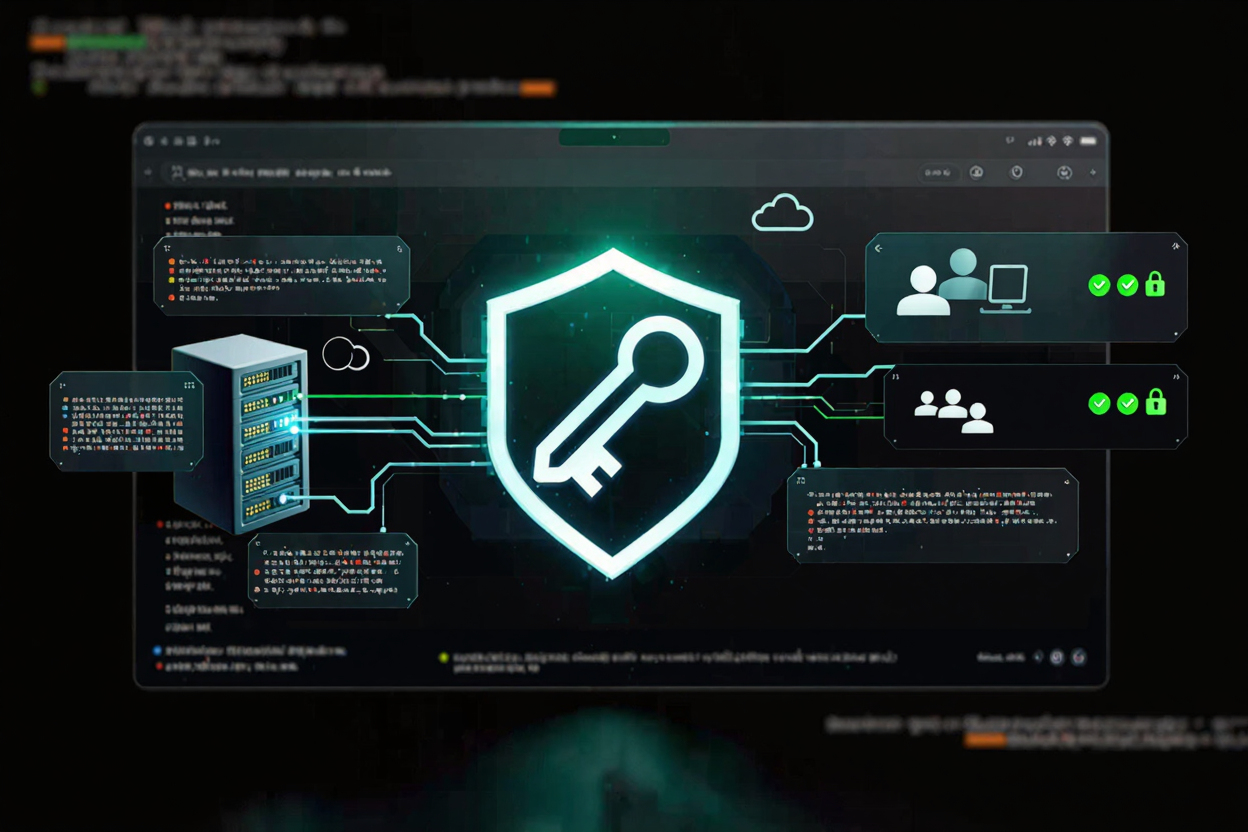
In today’s interconnected digital landscape, Application Programming Interfaces (APIs) are the backbone of modern applications, facilitating data exchange and service integration. However, the convenience and power of APIs come with significant security challenges. Protecting sensitive data and ensuring legitimate access is paramount, making robust API security a top priority for developers and businesses alike. This is where token generators emerge as indispensable tools, offering a sophisticated layer of defense against unauthorized access and malicious attacks.
API security isn't just about preventing breaches; it's about maintaining trust, ensuring data integrity, and complying with regulatory standards. Without proper security measures, APIs can become vulnerable entry points for cybercriminals, leading to data theft, service disruption, and reputational damage. Token generators provide a foundational element for a secure API ecosystem by managing access credentials efficiently and securely.
Understanding API Tokens and Their Importance
At its core, an API token is a unique identifier issued to a user or application to authenticate and authorize requests to an API. Instead of sending sensitive credentials like usernames and passwords with every request, tokens offer a more secure, stateless, and often time-limited alternative. They act as digital keys, granting specific permissions for a defined period, enhancing both security and flexibility.
These tokens are crucial because they decouple authentication from the user's actual credentials. When a client makes a request, the API gateway validates the token to confirm the client's identity and permissions. This process prevents direct exposure of user credentials and allows for fine-grained control over what actions a client can perform, significantly reducing the attack surface.
The Role of Token Generators in API Security
Token generators are specialized tools or services designed to create, sign, and manage these API tokens. They are essential for implementing secure authentication and authorization flows, ensuring that every token issued is unique, tamper-proof, and adheres to predefined security policies. From simple bearer tokens to more complex JSON Web Tokens (JWTs) and OAuth tokens, these generators handle the intricate cryptographic operations required to make tokens reliable.
By automating the token creation process, generators reduce the risk of human error and ensure consistency in security protocols. They often integrate with identity providers and API gateways, streamlining the entire authentication workflow. Many free developer tools offer token generation capabilities, making it easier for developers to implement strong security practices without significant overhead.
Key Features of Effective Token Generators
- Randomness and Uniqueness: Tokens must be cryptographically strong and unpredictable to prevent brute-force attacks and impersonation. A good generator ensures each token is unique and difficult to guess.
- Expiration and Revocation: Tokens should have a limited lifespan. Generators allow setting expiration times and provide mechanisms to revoke tokens instantly if they are compromised or no longer needed.
- Encryption and Hashing: Sensitive information within tokens, especially JWTs, is often signed or encrypted to ensure integrity and confidentiality. Generators handle these cryptographic operations, preventing tampering.
- Scope and Claims Management: Tokens can carry specific permissions or "claims" that define what resources a user can access and what actions they can perform. Generators facilitate the easy assignment and management of these scopes.
- Integration Capabilities: Seamless integration with existing authentication systems, API gateways, and identity providers is crucial for a smooth and secure workflow.
How to Implement Token Generators for Enhanced Security
Integrating token generators into your API security strategy involves several structured steps to ensure maximum protection and operational efficiency. Here’s a practical guide to deploying them effectively.
Step 1: Choose the Right Generator and Token Type
Evaluate your project's needs. Do you require simple bearer tokens for internal services, or more robust JWTs for third-party integrations? Consider open-source libraries, cloud-based services, or features within your API gateway. For example, OAuth 2.0 and OpenID Connect are popular standards for managing access tokens, and many generators support these protocols.
Step 2: Define Token Policies
Establish clear policies for token creation, lifespan, and renewal. Determine how long tokens should remain valid (e.g., 15 minutes for access tokens, longer for refresh tokens). Define the scope of permissions each token type grants. Shorter lifespans reduce the window of opportunity for attackers if a token is compromised.
Step 3: Integrate with Your API Gateway
Your API gateway is the first line of defense. Configure it to validate incoming tokens before forwarding requests to your backend services. The generator will issue tokens upon successful authentication, and the gateway will verify their authenticity, expiration, and associated permissions. Many free developer tools can assist in configuring these integrations.
Step 4: Implement Refresh Tokens
For applications requiring continuous access without frequent re-authentication, implement refresh tokens. These are long-lived tokens used solely to obtain new, short-lived access tokens. This minimizes the exposure of access tokens while maintaining a good user experience. Ensure refresh tokens are stored securely and revoked immediately if suspicious activity is detected.
Step 5: Monitor and Audit Token Usage
Regularly monitor API access logs and token usage patterns. Implement logging to track token issuance, validation failures, and revocation events. Anomaly detection systems can help identify potential threats, such as unusual request volumes or access attempts from unknown locations. While securing your APIs, don't forget other aspects of web development, such as optimizing your assets with a reliable PNG Compressor.
Best Practices for Token Security
- Keep Tokens Short-Lived: Minimize the impact of a compromised token by giving it a short expiry time.
- Secure Storage: Never store tokens in client-side local storage. Use HTTP-only cookies or secure in-memory storage for web applications.
- Use HTTPS Everywhere: Always transmit tokens over encrypted channels (HTTPS) to prevent eavesdropping.
- Implement Rate Limiting: Protect against brute-force attacks and API abuse by limiting the number of requests a client can make within a specific timeframe.
- Regular Rotation: Periodically rotate signing keys used by your token generator to enhance security.
- Validate All Tokens: Ensure every incoming token is validated for authenticity, expiration, and integrity.
Benefits for Developers and Businesses
Adopting token generators for API security offers a multitude of advantages. For developers, it simplifies the implementation of complex authentication mechanisms, allowing them to focus more on core application logic. For businesses, it translates into a significantly reduced attack surface, enhanced data protection, and improved compliance with security regulations like GDPR and CCPA.
Furthermore, secure APIs foster trust with partners and users, enabling smoother integrations and broader adoption of services. The scalability and flexibility offered by token-based authentication also support rapid growth and evolving application architectures.
FAQ
What is the difference between an API key and an API token?
An API key is typically a static, long-lived string used for client identification and basic authorization, often tied to a specific application or user. An API token, especially one generated for authentication (like a JWT or OAuth token), is usually short-lived, dynamically generated, and contains more granular information about the user's identity and permissions. Tokens are generally considered more secure for user-specific authentication as they can expire and be revoked.
Are token generators only for large enterprises?
No, token generators are beneficial for projects of all sizes. While large enterprises certainly leverage them for complex microservice architectures, even small startups building a single API can significantly enhance their security posture by using token-based authentication. Many libraries and frameworks offer built-in token generation capabilities, making them accessible to individual developers and small teams.
How do I handle token revocation for active sessions?
Token revocation typically involves maintaining a blacklist or a revocation list on your API gateway or authentication server. When a token needs to be revoked (e.g., user logs out, security incident), its ID is added to this list. The API gateway then checks this list during token validation and rejects any requests with revoked tokens. For JWTs, which are stateless, a short expiration time combined with refresh tokens is a common strategy, allowing for faster effective revocation by simply expiring the access token and revoking the refresh token.
Leveraging token generators is a fundamental step towards building secure, resilient, and scalable APIs. By understanding their features, implementing best practices, and continuously monitoring your API ecosystem, you can significantly fortify your digital defenses. Explore the comprehensive online dev tools collection at DevToolHere to find more resources that can help you secure and optimize your development workflows.